Nobilitas Obligat
The responsibility of knowledge
The privilege of learning creates a debt toward those who will one day take delivery of the deposit constituted today. Nobility binds ; it charges.
Saint Louis – Mediterranean University of Nations carries an academic, scientific, editorial, cultural and international project grounded in the humanities, applied research, continuing and professional education, cooperation and the transmission of knowledge.
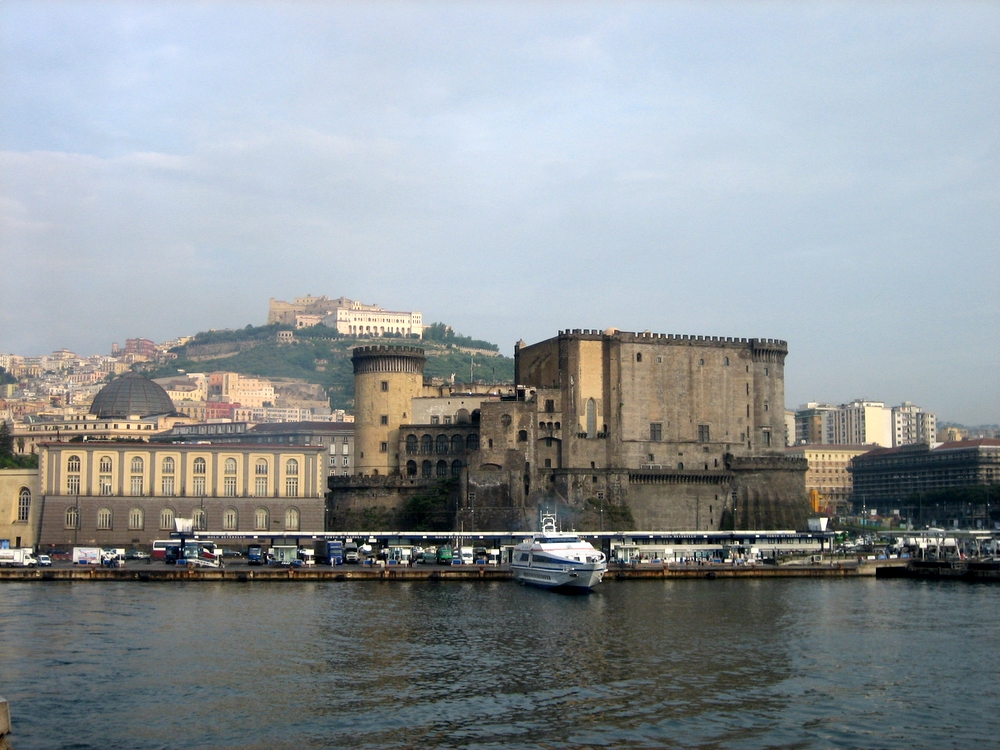
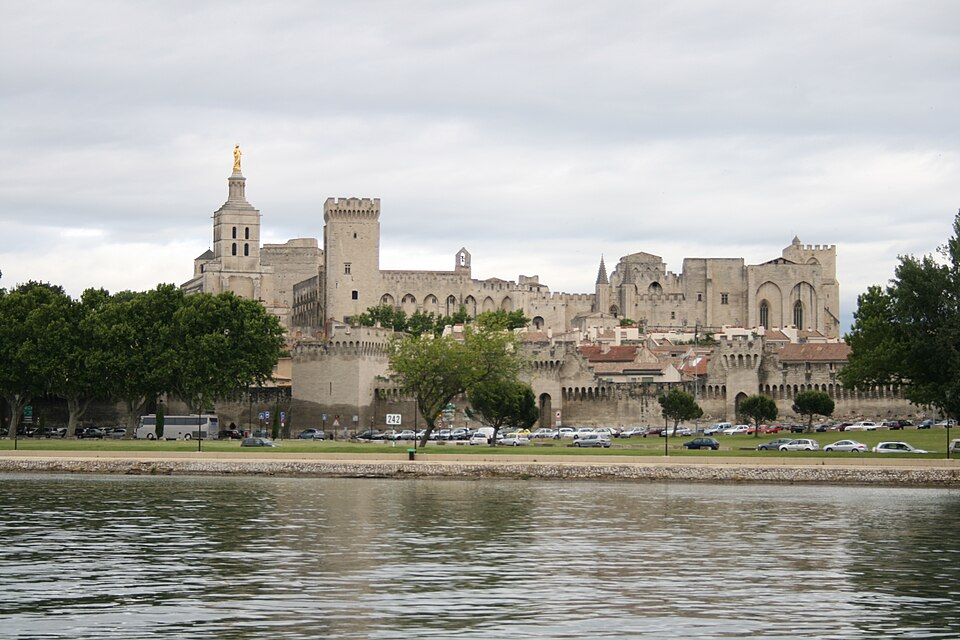
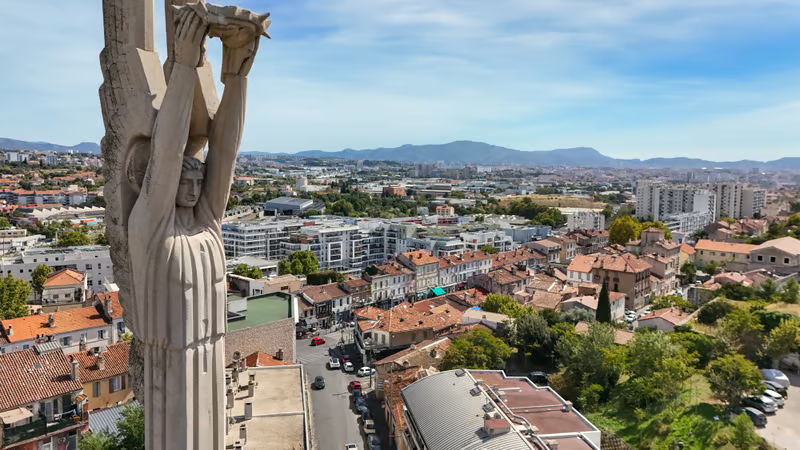
Saint Louis – Mediterranean University of Nations traces its origin to a double act : the Bourbon-Montpensier Foundation and the Montpensier University Institute jointly opened, in May 1988, the enclosure of this university between Naples, Marseille and Saint-Louis du Sénégal. These three ports already carried their own intellectual commerce. Dispatches circulated there. Languages converged. Merchants, clerks and officers exchanged papers and learning, so that the shores they linked were, before any act of foundation, shores of the same understanding. The University draws from this precedence its charge : to hold open the paths that history has at times closed.
The custody of knowledge is the primary office. The University gathers the letters, the archives and the books that the centuries have deposited ; it ensures their conservation, then their study, then their transmission to the generation that follows. Conservation comes first. Study follows. Transmission delivers the deposit intact to those appointed to receive it. Knowledge that falls short of this end has served only the one who held it.

The privilege of learning creates a debt toward those who will one day take delivery of the deposit constituted today. Nobility binds ; it charges.
To transmit is to keep the relay active between ancient learning and present use. Tradition endures because successive hands carry it forward.
Knowledge tends toward a wisdom that orders the disciplines according to an end that surpasses them all : the service of the common good. That end measures everything else.
The university inscribes its action in the heritage of the studia humanitatis. This tradition, born of the encounter between ancient culture and Christian thought, placed at the forefront the study of letters, history, moral philosophy, rhetoric and languages. It did not form scholars withdrawn from the world, but men and women destined for councils, administrations, courts, academies and public office. Saint Louis – Mediterranean University of Nations pursues this ambition through the humanities, the social sciences, law, international relations, artificial intelligence and digital technologies.
Quaerendo invenietis — In seeking, you will find.
The Research Division brings together the LAHRA laboratory and its INTELEN–AFFORDANCE unit, dedicated to artificial intelligence and the digital humanities.
Humanities, history, law, social sciences, international relations, applied research, archives, sources and corpora. The laboratory bears the name of Maria Caterina Federici (1959–2024) in tribute to her scientific contribution.
Work on digital corpora, natural language processing architectures, networks, information governance and digital transformations. Applied research directed by Franck Edery.
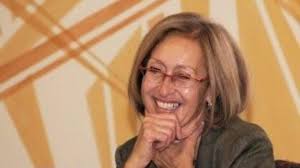
Full professor of sociology at the University of Perugia and director of the Centre for Research on Human Security, Maria Caterina Federici (1959–2024) holds a founding place in the intellectual history of LAHRA and accompanied from the outset the formation of the university project. The laboratory bears her name in tribute to her scientific contribution and her commitment to dialogue between disciplines, societies and the cultural spaces of Europe and the Mediterranean.
Sociologia della sicurezza. Teorie e problemi (ed. with A. Romeo), Morlacchi Editore · L'immaginazione sentimentale, Mimesis, 2016 · Un défi pour la sociologie : sécurité et formation, Sociétés, no. 147, 2020 · Dove fondano le libertà, Borla, 2000.
The university comprises three academic structures: the Department of History of International Relations, the Luigi Pareyson Centre — Centre for Languages, Translation and Communication, and INTELEN–AFFORDANCE. Each constitutes a distinct institutional framework, carrying its own degree programmes and activities.
Saint Louis – Mediterranean University of Nations distributes its offices according to a settled hierarchy. Scientific direction constitutes an office in its own right ; to conduct research and to transmit a competence call for titles and responsibilities that the institution distinguishes with care. Scientific direction belongs to the body of university researchers — holders of the habilitation to supervise research and doctors — who bear authority over doctoral supervision, the research tracks of the Department and the LAHRA·INTELEN laboratory, and the validation of intellectual contents at every level. Academic instructors conduct the thematic seminars and pedagogical programmes according to the syllabuses settled by the scientific direction. Trainers deliver operational competencies within the continuing education structures, under a service agreement fixing the scope of their intervention. The scientific direction — LAHRA·INTELEN — alone holds authority to validate intellectual contents, at whatever level they are delivered.
The Department of History of International Relations is the university's reference institutional structure for teaching and research in the history of international relations. It houses the Ph.D. in History of International Relations, the Comparative History of International Relations programme, the research activities associated with LAHRA, specialised seminars and the department's research projects. Frédéric Bidouze and Nasser Michaëlene Gabryel hold its scientific direction.
"Administering the Universal: Rome, Jerusalem and Mecca as symbolic capitals of competing international systems."
This track examines the authorities that claim to order a space extending beyond the boundaries of any particular political community. It follows the transformations of political universalism from the great empires of the ancient Near East to the imperial and religious constructions of the modern period. The programme studies the Achaemenid Empire, imperial Rome, Jerusalem, the medieval papacy, the caliphates and Mecca in order to understand the successive forms of administering the universal between Antiquity and the early twentieth century.
"Empire against Distance: a comparison of Persian, Roman and Spanish communication infrastructures."
This track examines the means by which large political formations overcome the constraints of space. It compares the techniques of government at a distance from the royal relay stations of the Achaemenids to the administrative circuits of the modern monarchies. The programme analyses the Persian royal road network, the Roman cursus publicus, medieval communication systems and the circuits of the Hispanic monarchy in order to understand the evolution of imperial infrastructures between Antiquity and the modern period.
"Political Anthropology of Loyalty, Hegemony and Tribute: Roman clientage, feudal allegiance, monarchical service and the tributary systems of Asia."
This track examines the bonds of fidelity linking rulers and ruled within political systems. It follows the evolution of the forms of political obedience from the Greek city-states and the Roman Republic to the European monarchies and the tributary systems of Asia. The programme analyses Greek hegemonic leagues, Roman clientage, feudal allegiances, the tributary relations of East Asia and the forms of monarchical service in order to understand the historical mechanisms of loyalty between Antiquity, the Middle Ages and the modern period.
"Cultural and Political History of Reputation in International Relations: Alexander, Charlemagne, Charles V, Louis XIV and Napoleon."
This track studies the mechanisms by which political actors acquire prestige and authority in the international arena. It traces the circulation of political reputations from the conquests of Alexander to the great empires of the nineteenth century. The programme examines the figures of Alexander, Charlemagne, Charles V, Louis XIV, Napoleon and other major references in order to analyse the historical processes of recognition and legitimation between Antiquity and the contemporary world.
Around these four directing tracks, complementary themes and specialisation seminars are organised. An assessed seminar is already accessible: Introduction to the Sociology of Complexity, Prof. Ali Aït Abdelmalek (University of Rennes 2).
The Luigi Pareyson Centre is the university's academic structure for languages, translation and communication, grouping the linguistic programmes of StL-UNI. It carries the Graduate Diploma in Languages, Diplomacy and International Relations, in articulation with the Department of History of International Relations. The Lyonnaise de Formation (association loi 1901, RNA W691102650) is its training structure, responsible for the delivery of the Centre's teaching programmes.
French as a Foreign Language (levels A1 to C2) · academic French · professional French · preparation for DELF, DALF and TCF certifications.
Academic English · professional English · legal English · business English.
Translation · interpretation · institutional communication · international communication · language certifications.
Teaching staff attached to the Centre: Mélanie Sathoud · Jérôme Bonnet · Sebastian Kreitz · Jyotee Mungu.
INTELEN–AFFORDANCE is the LAHRA unit dedicated to artificial intelligence and the digital humanities. It carries the INTELEN–AFFORDANCE Graduate Diploma in Complex Systems Science and Digital Transformations. Its work covers digital corpora, natural language processing architectures, network analysis, information governance and digital transformations. Franck Edery holds its scientific direction.
Artificial intelligence · network analysis · natural language processing architectures · data governance.
Digital corpora · electronic editing · automated source processing · digital humanities applied to history and the social sciences.
Information governance · digital transformations · professional and institutional uses of AI.
Continuing and professional education activities are delivered by the training structures attached to each division: the Lyonnaise de Formation, training structure of the Luigi Pareyson Centre, for languages; Orléans Bragance Formations for digital skills and AI; Institut Montpensier for the humanities and law.
Three degree programmes are open. Each is carried by one of the university's three academic structures and engages a higher-level university education, supported by the laboratories and teaching staff of StL-UNI.
A doctoral research programme in the history of international relations, conducted under the direction of the LAHRA–Maria Caterina Federici laboratory. The thesis engages original inquiry, grounded in verifiable primary sources, in the field of the history of international relations, diplomatic studies, comparative history of empires or international political systems. Thesis supervision is provided by qualified members of the academic staff.
A programme combining the teaching of the Luigi Pareyson Centre and the Department of History of International Relations. It trains students in the competencies required in the fields of diplomacy, international communication and academic and institutional cooperation.
A programme dedicated to complex systems, applied artificial intelligence and the digital transformation of organisations. It draws on the research conducted within INTELEN–AFFORDANCE under the direction of Franck Edery.
Admission requirements, assessment procedures and tuition fees for each programme are communicated on request to direction@stl-uni.org.
The Continuing and Professional Education Division rests on three training structures.
French as a Foreign Language, academic and professional French, academic, legal and business English, translation, interpretation, institutional and international communication, preparation for language certifications.
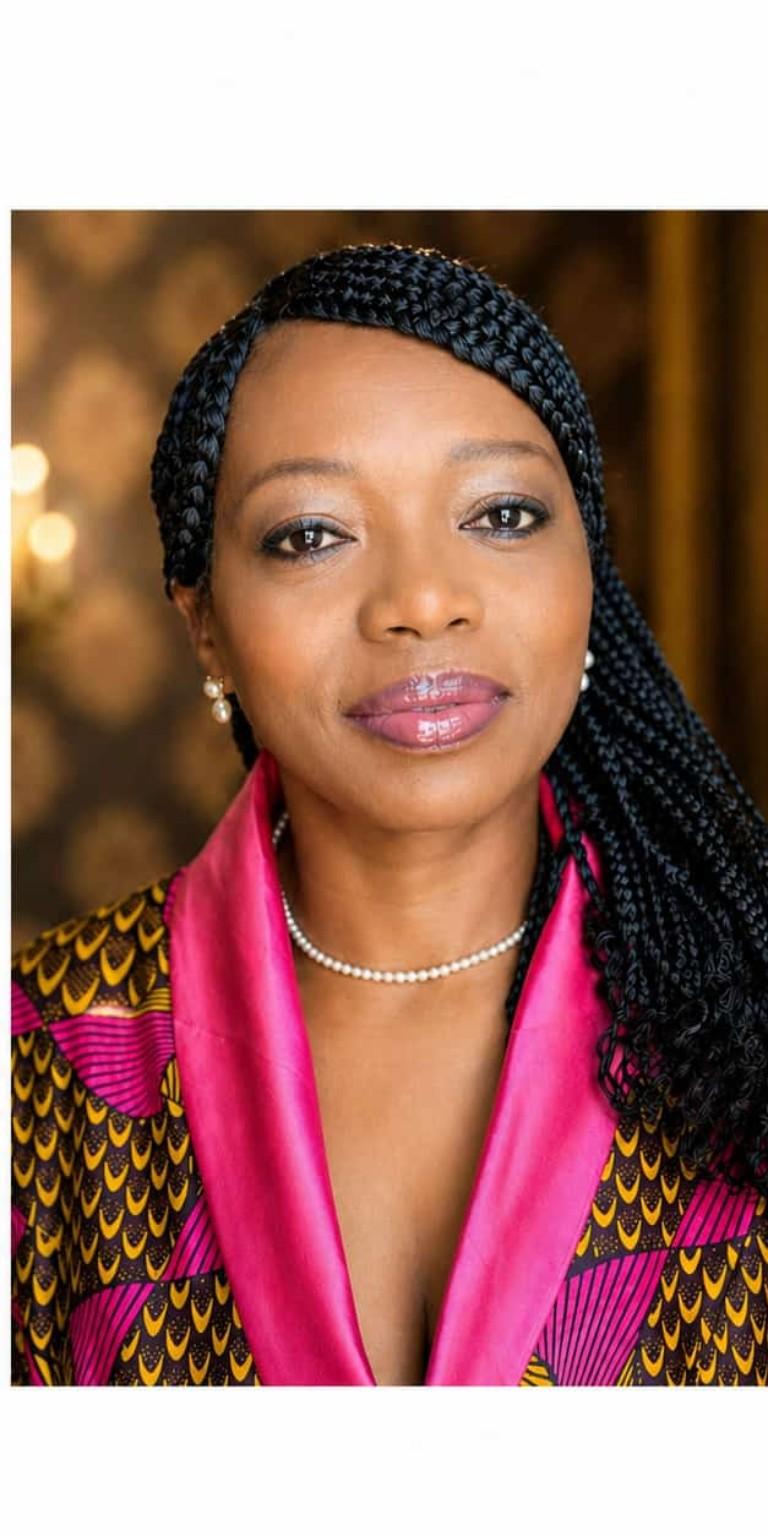
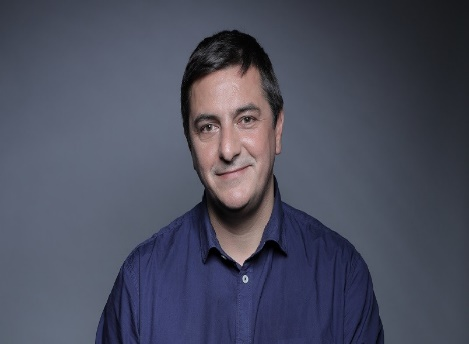
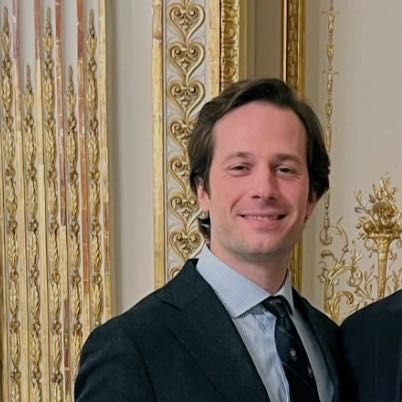


Artificial intelligence, digital technologies, computer graphics, information systems, commercial development and management.




Humanities, history, law, social sciences, international relations and multidisciplinary programmes.

Tourism, heritage, territorial development and Mediterranean cooperation.
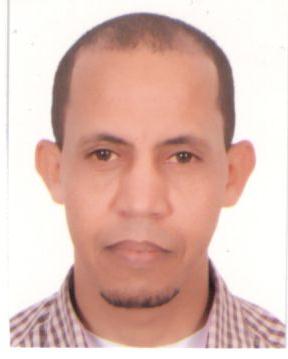
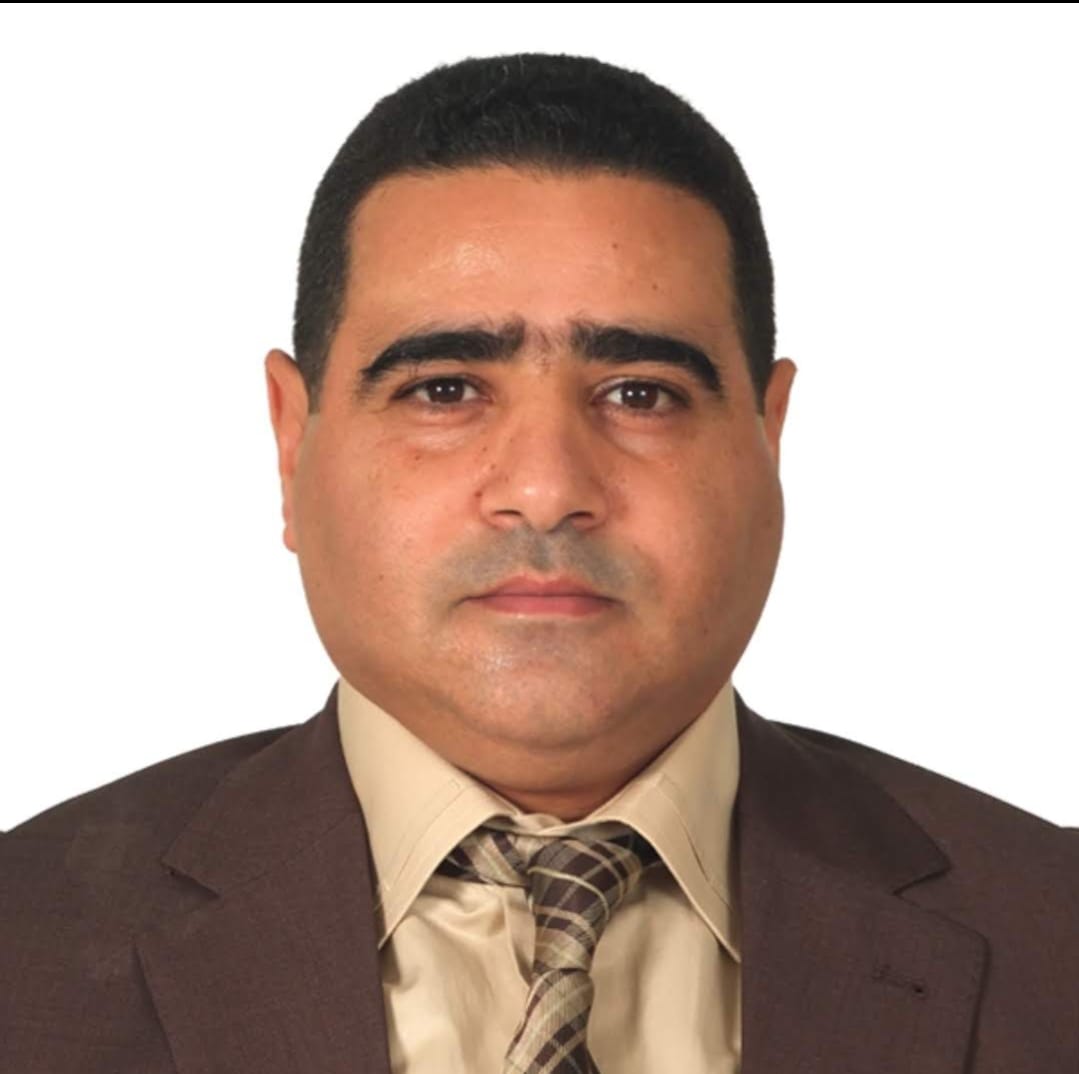
Reference tuition fees. Specific agreements may be concluded with public institutions, companies, associations and academic partners. Preparation for DELF, DALF and TCF certifications is provided in accordance with applicable regulations; these certifications are issued by officially accredited centres.
FFL A1 — 40 h — €1,000
FFL A2 — 50 h — €1,250
FFL B1 — 60 h — €1,500
FFL B2 — 70 h — €1,800
FFL C1 — 80 h — €2,100
FFL C2 — 100 h — €2,500
DELF / DALF / TCF preparation — 20 to 40 h — €600 to €1,200
Professional French — 30 h — €900
Business French — 40 h — €1,200
Introduction to artificial intelligence — 40 h — €1,200
Digital tools and productivity — 40 h — €1,200
Graphic communication and infographics — 50 h — €1,500
Commercial development and strategy — 50 h — €1,500
Cybersecurity and information systems — 60 h — €1,800
International relations — 40 h — €1,200
Mediterranean and African diplomacy — 60 h — €1,800
Public law and institutions — 60 h — €1,800
Applied social sciences — 50 h — €1,500
History and international relations — 50 h — €1,500
Cultural and heritage tourism — 50 h — €1,500
Territorial development — 60 h — €1,800
Tourism engineering — 60 h — €1,800
Mediterranean cooperation applied to tourism — 40 h — €1,200
Certificate of participation, issued following a training course, seminar or workshop. Certificate of competencies, issued following assessment of acquired skills.
Issued following validation of a complete programme with one of the three training structures of the Education Division. Specialisation certificate for advanced programmes with an extended number of hours.
University certificate and university diploma issued for programmes validated by the university's academic bodies, when the pedagogical and regulatory conditions are met.
Saint Louis University Press draws its catalogue from the work deposited by LAHRA·INTELEN, the CERIPP and the Institut Montpensier. Two collections receive these contributions. De Regno holds the proceedings of the international colloquia conducted under the Institut's authority; Sciences du gouvernement registers the monographs and collective volumes submitted by researchers in public law, governance and territorial planning. The Press is registered with the AFNIL under the publisher's prefix 978-2-489285, assigned on 15 June 2026; under that prefix, each volume receives its number before legal deposit at the Bibliothèque nationale de France.
The Press fixes, publishes and disseminates the work produced within the university: scientific works, conference proceedings, source editions and collective volumes. It inscribes its action in the tradition of the studia humanitatis and places it at the service of the common good.
The Press publishes peer-reviewed works, attributed to their authors and grounded in verifiable sources. It requires rigour of critical apparatus, fidelity to sources and scientific utility. No work is admitted whose references cannot be established.
De Regno — proceedings of the international colloquia organised by the Institut Montpensier. Sciences du gouvernement — monographs and collective volumes in public law, governance and territorial planning. AFNIL prefix 978-2-489285, assigned 15 June 2026.
The colloquium gathered seventeen contributions around the question of speech as a political, symbolic and sovereign act. The volume examines the conditions under which speech is produced, received, legitimised or suppressed across historical, juridical, literary and philosophical registers. Contributors include scholars from Morocco, France, Italy and Senegal. The volume constitutes the first publication of the De Regno collection.
ISBN 978-2-489285-00-0 (print) · ISBN 978-2-489285-01-7 (PDF) · Forthcoming December 2026
A study of the transformations affecting democratic governance in the age of digital technologies and artificial intelligence. The work examines the institutional reconfigurations produced by algorithmic processes and the challenges they pose to transparency, legitimacy and the rule of law.
ISBN 978-2-489285-02-4 (print) · ISBN 978-2-489285-03-1 (PDF)
A collective volume gathering contributions by researchers who have worked alongside Ali Sedjari on the questions of public governance, territorial management and the conduct of public action. The volume assembles theoretical approaches and empirical analyses drawn from Morocco, the Maghreb and the Mediterranean.
ISBN 978-2-489285-04-8 (print) · ISBN 978-2-489285-05-5 (PDF)
An examination of the processes by which public policies are anchored in territory. The work analyses the mechanisms of decentralisation, spatial planning and local governance, drawing on fieldwork and administrative sources from the Moroccan and Mediterranean context.
ISBN 978-2-489285-06-2 (print) · ISBN 978-2-489285-07-9 (PDF)
A historical and political analysis of the failures of Moroccan elites during the nineteenth century, a period of mounting external pressure and internal fragmentation. The work examines the conduct of political actors, the disintegration of traditional forms of authority and the structural conditions that shaped Morocco's entry into the modern era.
ISBN 978-2-489285-08-6 (print) · ISBN 978-2-489285-09-3 (PDF)
The Cooperation and Partnerships Division organises the university's academic, Mediterranean, African, cultural and intercultural relations. The Bourbon-Montpensier Foundation is its reference institutional partner.
The Bourbon-Montpensier Foundation, at the origin of the university's creation in May 1988 with the Montpensier University Institute, develops intercultural and interreligious dialogue in the spirit of the Fez Declaration (2022) and the United Nations Programme for the Alliance of Civilizations.
Established to carry a university of the Alliance of Civilizations between Africa, the Mediterranean and Europe, the Foundation took shape between three centres of intellectual exchange. It inscribes its action in the tradition of the studia humanitatis and the service of the common good.
To foster encounter between the cultural and religious heritages of the Mediterranean, Africa and Europe, in the spirit of the Fez Declaration and the Alliance of Civilizations.
To support the scientific work, training and transmission of knowledge conducted within the university and its laboratories.
To conduct cultural actions and international cooperation in the service of the concord of peoples and the common good.
Partnerships in the fields of culture, history and Euro-Mediterranean relations.
Links with Franco-Canadian communities and the cultural institutions of French-speaking Canada.
École Normale project for teacher training; Association Saint Louis Ismailia de Meknès (ASLIM); Femmes Debout NGO; Casablanca Foundation Office.

He carries the Foundation's intercultural and interreligious dialogue activities in the Mediterranean and Euro-African space.
Legal Director of the Foundation. He oversees the conformity of institutional acts, partnership agreements and the Foundation's contractual commitments.
The associated researchers of LAHRA and its INTELEN–AFFORDANCE unit form the core of the Research Division. They conduct the laboratory's work in the humanities, social sciences, law, international relations and the digital humanities.
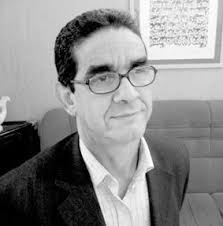
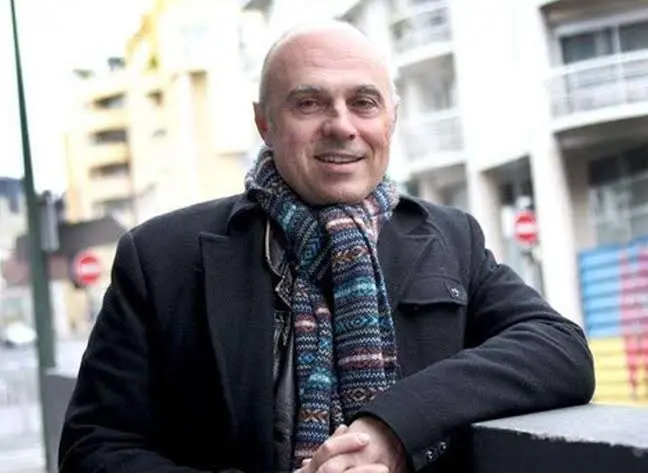
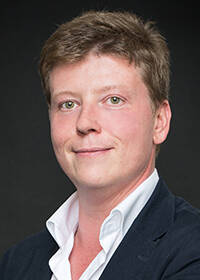
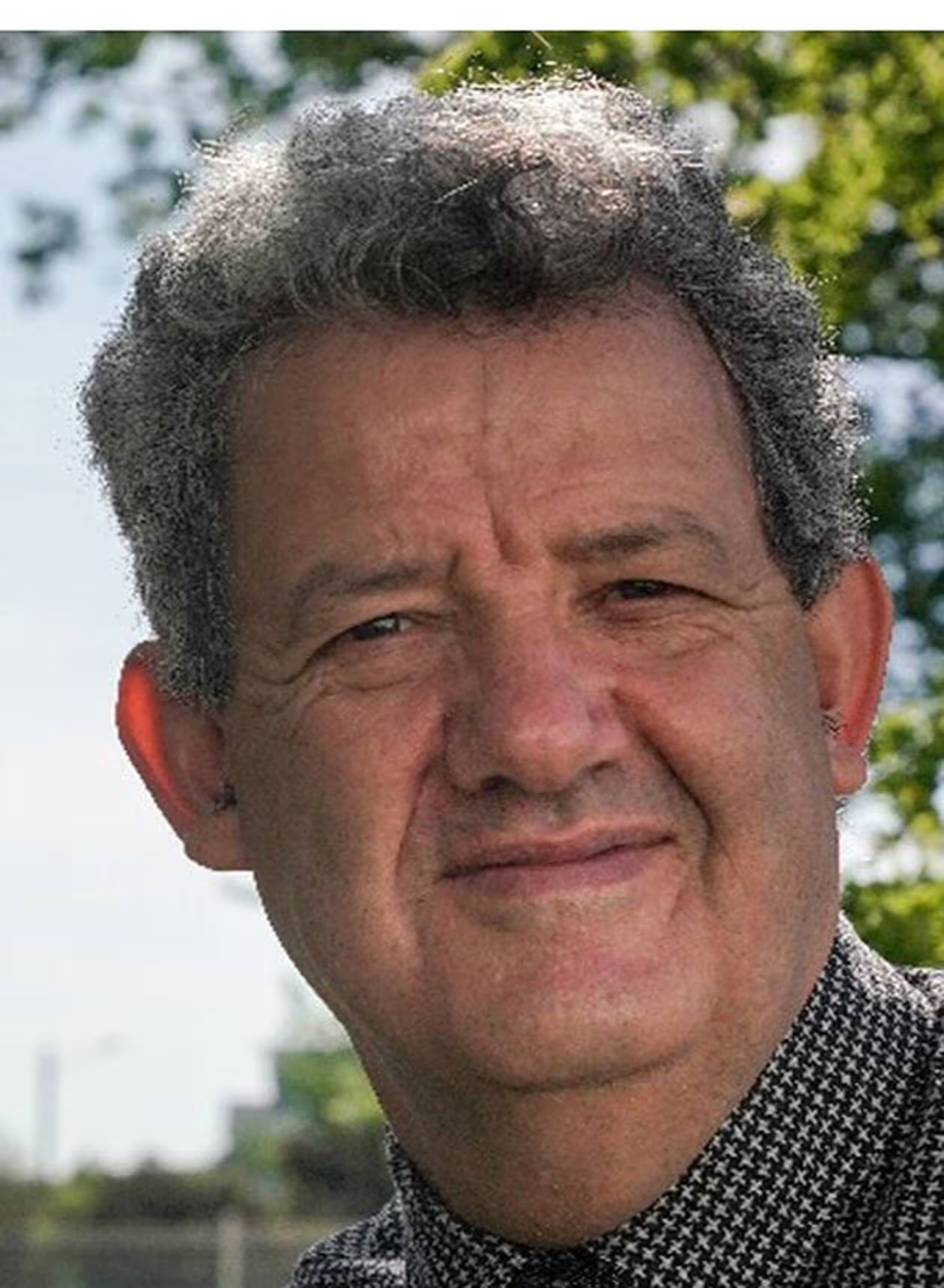
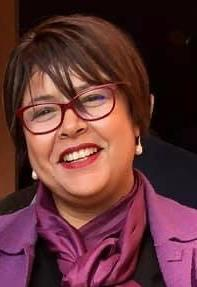
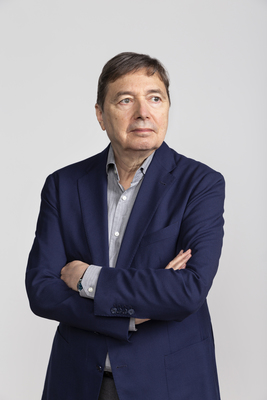
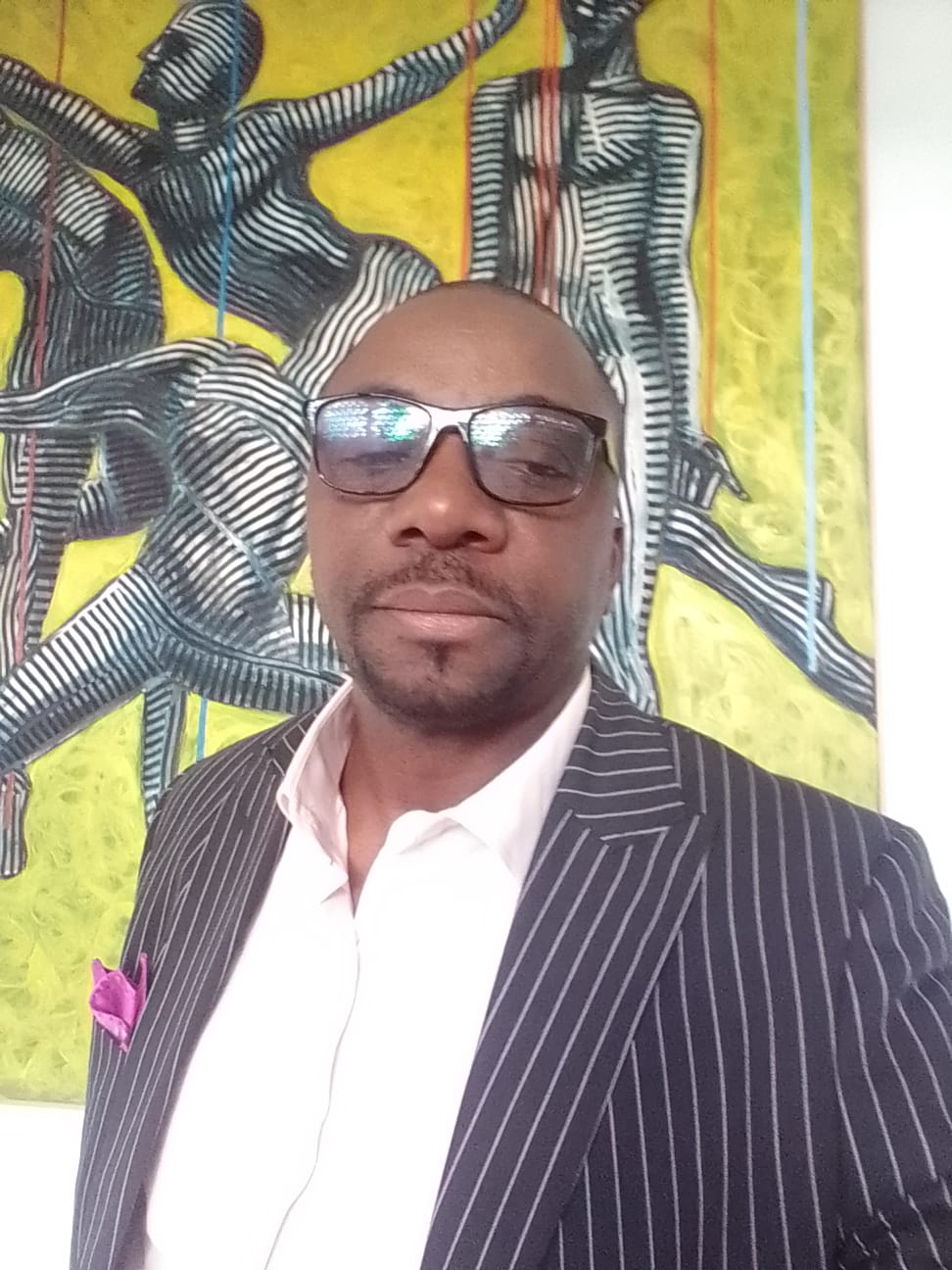
Verified works by LAHRA and INTELEN researchers, classified by author. The section is built progressively from verifiable references.
De la culture politique comme culture de savoir, Philosophia Scientiæ, 20-2, 2016 · Review, MIDÉO, no. 36, 2021 · Review, Revue des mondes musulmans et de la Méditerranée, no. 125, 2009 · Hegel, Marx, Gramsci, Cahiers d'études romanes, no. 35, 2017.
Les philosophes de la République, Minuit, 1988 · Après la culture légitime, L'Harmattan, 2007 · Pierre Bourdieu. Un structuralisme héroïque, Seuil, 2016 · Sociologie de la Corse, La Découverte, 2018.
Sciences humaines et soins, Masson, 2001 · Edgar Morin, sociologue de la complexité, Apogée, 2010 · Articles in Sociétés, Espaces et sociétés, Économie rurale.
Pouvoir et religion au Maroc, Eddif, 1999 · Pouvoir et communication au Maroc, L'Harmattan · Parole et libre expression, in La Parole, 2023 (forthcoming).
L'intelligence artificielle et son impact sur les interactions sociales et les normes sociétales, in La Parole, 2023 (forthcoming). Work on natural language processing architectures and data governance.
Scientific programme dedicated to speech, language and artificial intelligence.
Scientific event dedicated to speech and artificial intelligence.
La Parole — heritage, new clericatures and the crisis of representation. Proceedings in preparation.
The university library brings together heritage works, historical sources and research materials in the humanities, international relations and public law. The collection, constituted under the scientific direction of LAHRA·INTELEN, is accessible to enrolled students and researchers on the digital campus.
Heritage works in the public domain, primary sources, reference materials and scientific publications. Access via the digital campus.
Access the campusThe university draws on Gallica, Internet Archive and HathiTrust for heritage works in the public domain. These resources are freely accessible to all.
The university's scientific publications are produced by Saint Louis University Press. The catalogue is accessible in the Publishing section of this site.
View catalogueInstitutional requests may be addressed to the university according to the relevant field.